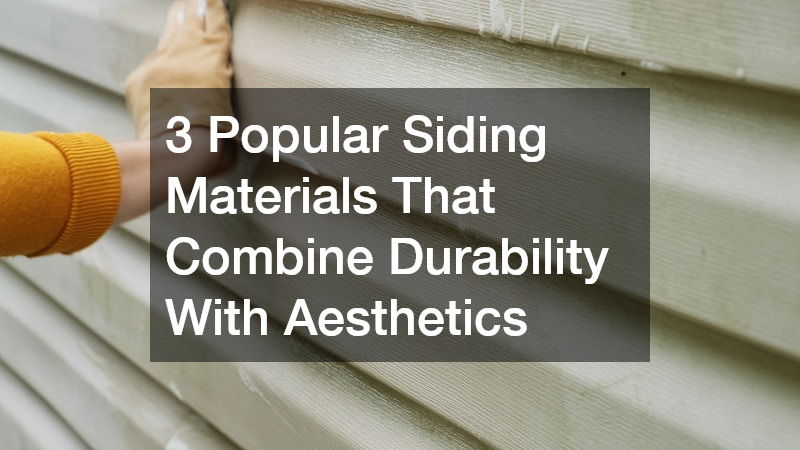
When it comes to enhancing the exterior of a home, choosing the right siding material is essential. Not only does the right siding provide an appealing aesthetic, but it also offers protection against the elements. In this article, we’ll explore three popular siding materials that strike a perfect balance between durability and aesthetics, guiding you to make an informed choice that adds value to your home.
Vinyl Siding
Vinyl siding is favored by many homeowners for its affordability and versatility. This material is available in a wide array of colors and textures, mimicking the appearance of real wood or other materials without the maintenance.
Consult with local siding companies to find the perfect shade that complements your home’s design. Vinyl is highly durable, resistant to rot and pests, and requires minimal upkeep, typically only needing an occasional wash. It is also energy efficient, as it can help insulate your home, reducing heating and cooling costs over time.
Moreover, vinyl siding is recyclable, making it an environmentally friendly option for homeowners concerned about their ecological footprint. Not all siding materials offer such a sustainable advantage, and this can be a decisive factor for environmentally-conscious buyers. Installation is relatively straightforward, and local siding companies can provide expert service to ensure proper installation, which is crucial for maximizing the material’s lifespan. Advances in manufacturing have made vinyl more resilient to extreme weather, making it a reliable choice in different climates. For those looking to balance cost, aesthetics, and durability, vinyl siding frequently tops the list.
Adding to its appeal, vinyl siding can enhance a home’s curb appeal significantly, potentially increasing its market value. Homeowners often find that the cost-effective investment in vinyl pays off when it comes time to sell. In addition, should damage occur, repair is often as simple as replacing the affected panels. This ease of maintenance is a major selling point that local siding companies often highlight when offering vinyl siding. Despite its benefits, it’s crucial to weigh this option against others to ensure it aligns with personal preferences and environmental conditions.
Fiber Cement Siding
Fiber cement siding combines cellulose fibers with cement, resulting in a material that is both strong and visually appealing. This siding is renowned for its ability to emulate the appearance of wood while providing superior durability. Homeowners who select fiber cement often appreciate the minimal maintenance required, as it is resistant to termites and does not warp or rot under adverse weather conditions. Local siding companies tout its resilience to harsh weather, further enhancing its appeal for homes in volatile climates. Because of its density, fiber cement offers excellent insulation properties, promoting energy efficiency within the home.
When properly installed, fiber cement siding can last half a century, making it a long-term solution for many homeowners. Its robust nature means it won’t easily succumb to dings or damage, even in high-wind scenarios. Local siding companies commonly stress that while the upfront installation may be labor-intensive, the reduced need for constant maintenance provides peace of mind. For those looking to invest in their home’s exterior with minimal future worry, fiber cement remains a top consideration.
Wood Siding
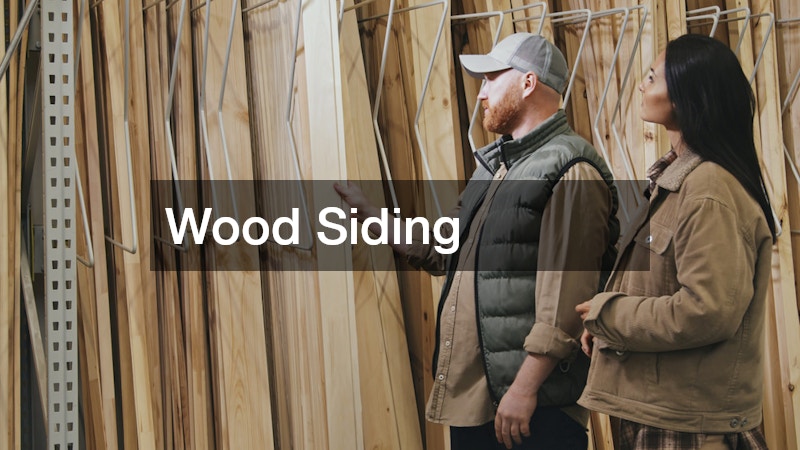
Wood siding is a classic choice that offers a warm, natural aesthetic, adding a touch of elegance to any home. The rich textures and grains visible in wood provide an unmatched charm that appeals to those who value traditional aesthetics. Despite its appeal, wood siding requires regular maintenance, such as sealing and painting, to prevent damage from moisture and pests. However, this maintenance can be seen as an opportunity to refresh and update the look of a home, allowing customization aligned with current trends. Local siding companies can advise on protective treatments that enhance its lifespan.
When choosing wood siding, homeowners can opt for various types of wood, including cedar, redwood, or pine, each offering distinct characteristics and levels of durability. Cedar, in particular, is known for its natural resistance to decay and insects, making it a popular choice among those who want reliable protection. Local siding companies can guide on selecting the best wood type for the climate and specific design objectives. While the initial investment in wood siding can be high, many homeowners consider it worthwhile for its unique aesthetic and potential to increase property value. Additionally, wood siding can be repaired and replaced with relative ease compared to synthetic materials.
In communities where architectural aesthetics are a priority, wood siding can significantly enhance curb appeal and neighborhood congruence. Despite the higher maintenance, many homeowners agree that the natural beauty of wood siding is unparalleled, offering an authentic charm that synthetic alternatives strive to replicate. When considering wood siding, it’s beneficial to consult with local siding companies to assess treatment options that protect the wood from elements like rain and UV exposure. With proper care, wood siding not only brings a rustic elegance but also supports an inviting, warm home exterior that blends seamlessly with natural surroundings.
Choosing the right siding material is a significant decision that impacts both the visual appeal and the functional performance of a home. Whether you opt for the cost-effective and low-maintenance vinyl, the durable and fire-resistant fiber cement, or the timeless appeal of wood, each material offers unique advantages.