
A thorough maintenance checklist makes it easier to keep a property functional, attractive, and prepared for everyday wear. While some tasks are easy to overlook, addressing them consistently can help prevent minor issues from becoming more disruptive or expensive problems. A useful checklist should cover both visible features and systems that are easy to forget, from painted surfaces and windows to walls, outdoor structures, plumbing, and climate-control equipment.
Maintenance needs can change with the seasons, the property’s age, and the condition of its materials. A fresh coat of paint may be appropriate one year, while wall repairs or exterior structural work may become priorities in another. Keeping track of these needs provides a clearer picture of what has already been addressed and what still requires attention. By combining routine inspections, preventative care, and professional services, property owners can take a more organized approach to protecting their investment and keeping each area in good condition.
1. Why Should You Consider Benjamin Moore Products?

Benefits of Using High-Quality Paint
Paint serves more than a decorative purpose. Interior and exterior coatings create a finished appearance while providing a layer of protection against everyday wear, moisture, sunlight, and other environmental factors. Choosing a quality product can therefore be an important part of maintaining a property, particularly in areas that receive frequent contact or exposure to changing conditions.
Benjamin Moore offers a broad selection of paints and coatings designed for different applications. Depending on the product, property owners can find options intended for interior walls, trim, ceilings, exterior surfaces, and other areas. Characteristics such as finish, coverage, washability, and resistance to particular conditions can influence how well a coating performs over time.
Durability can be especially useful in high-traffic areas. Hallways, kitchens, entryways, and frequently used rooms can experience scuffs and marks that require regular cleaning or occasional touch-ups. Exterior coatings also need to withstand exposure to weather and sunlight.
How to Choose the Right Paint for Your Project
The appropriate paint depends on where it will be used and what conditions the surface experiences. Interior walls, ceilings, trim, cabinets, doors, and exterior surfaces can have different requirements, so selecting a product based solely on color may not produce the desired results.
When considering Benjamin Moore products, start by identifying the surface and environment. A bathroom wall may have different coating requirements than a relatively dry bedroom, while kitchens and hallways may benefit from finishes that are easier to clean. Exterior projects require additional consideration of the surface material and exposure to weather.
Before adding a painting project to a maintenance schedule, inspect the existing coating. Peeling, cracking, fading, bubbling, or discoloration may indicate that a surface needs attention. Addressing these conditions first can contribute to a more consistent finished surface.
2. What Do Equipment Painting Companies Offer?
Overview of Services Provided
Large equipment and machinery can require specialized maintenance when painted surfaces become worn, chipped, faded, or corroded. Equipment painting companies may provide preparation and coating services intended to restore the appearance of machinery while helping protect exposed surfaces. The exact services available vary by provider, equipment type, and project requirements.
Preparation can be a major component of the process. Existing coatings may need to be removed or mechanically prepared before a new coating can be applied. Depending on the condition of the equipment, preparation may involve cleaning, abrasion, or other surface-treatment methods.
Services can apply to industrial machinery, fabricated components, vehicles, and other large metal structures. Some projects may involve repainting an entire piece of equipment, while others focus on specific damaged areas. The coating selected can depend on the equipment’s environment and exposure to moisture, chemicals, abrasion, or temperature changes.
How to Choose the Right Company
When evaluating equipment painting companies, consider experience with the specific type and size of equipment involved. Surface preparation, application methods, and project experience can all affect the outcome. Ask what preparation steps are included and whether the company has handled comparable materials.
It is also useful to understand how the project will be handled from beginning to end. Find out whether cleaning, coating removal, priming, painting, and final inspection are included in the proposed scope. A clearly defined process makes it easier to understand what work will actually be performed.
3. How Can Window Tinting Improve Your Home?

Benefits of Window Tinting
Windows influence how much sunlight and heat enter a property, which can affect indoor comfort and energy use. Window tinting can modify the amount of solar energy and visible light passing through glass, depending on the type of film selected. This makes it a potential consideration for homeowners addressing excessive glare, sunlight, or heat in particular rooms.
One commonly discussed benefit of window tinting is UV protection. Certain films are designed to reduce ultraviolet radiation passing through windows, which may help limit exposure inside the property. Reducing UV exposure can also be relevant to furnishings, flooring, artwork, and other materials that may fade after prolonged sunlight.
Glare reduction is another consideration. Rooms with large windows or strong direct sunlight can become uncomfortable when screens, televisions, or work surfaces are difficult to see. A suitable film can reduce glare while still allowing natural light into the room.
Choosing the Right Window Tinting Solution
Selecting a window film requires more than choosing the darkest option available. Different products can provide different combinations of visible-light transmission, solar control, privacy, appearance, and UV filtering. The right choice depends on what you want the film to accomplish and the characteristics of the existing windows.
Start by evaluating each room individually. Consider when sunlight enters the room, whether glare is a recurring issue, and whether maintaining a particular level of natural light is important. The existing glass should also be considered because some window types and glazing configurations may have specific compatibility requirements.
4. What to Look for in Sandblasting Companies?
Importance of Sandblasting in Maintenance
Surface preparation can determine how effectively a new coating adheres and how a restored surface looks after a project. Sandblasting is one method used to remove coatings, corrosion, dirt, and other unwanted material from suitable surfaces. The process can expose a cleaner substrate and create a surface profile that may be appropriate for subsequent coating work.
For maintenance projects involving metal structures or equipment, this preparation can be useful when existing paint has deteriorated. Layers of old coating, rust, and accumulated debris may make it difficult to achieve a consistent new finish without first addressing the underlying surface.
Evaluating Sandblasting Services
When comparing sandblasting companies, consider their experience with the specific material and type of surface involved. A technique appropriate for a heavy steel structure may not be suitable for a more delicate surface. Ask what abrasive method will be used and how the contractor plans to protect surrounding areas.
Preparation and cleanup should also be part of the discussion. Abrasive blasting can generate substantial dust and debris, so the work area may require containment and appropriate cleanup procedures. Understanding how these factors are managed can help you plan for the project.
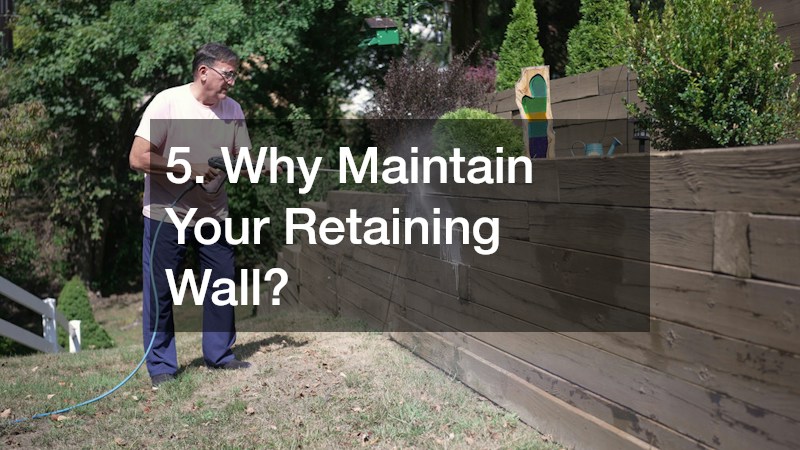
5. Why Maintain Your Retaining Wall?
Importance of Regular Inspections
A retaining wall can play an important role in managing changes in elevation and helping hold soil in place. Because these structures are exposed to moisture, soil pressure, weather, and seasonal changes, their condition should be reviewed regularly.
When inspecting a retaining wall, look for cracks, leaning, bulging, separated sections, damaged materials, or areas where soil appears to be shifting. Pay attention to drainage as well. Water that cannot drain properly may increase pressure behind the structure and contribute to problems.
Repair Options for Retaining Walls
The appropriate repair depends on a wall’s construction, age, location, drainage conditions, and the nature of the damage. Minor surface issues may sometimes be addressed without replacing the entire structure, while significant movement, cracking, or drainage problems may require more extensive work.
A professional evaluation can help determine what is causing the problem rather than simply addressing its visible symptoms. For example, repairing a crack without addressing water accumulation or soil pressure may not resolve the underlying issue. The surrounding grade and drainage should therefore be considered when developing a repair plan.
6. How to Handle Drywall Repairs?
Common Drywall Issues
Drywall can develop damage through everyday activity, furniture movement, accidental impacts, moisture exposure, or changes in a building over time. Common problems include small holes, dents, cracks, nail pops, damaged corners, and areas where previous repairs have become visible.
Water damage presents another concern. Staining, soft material, bubbling paint, or crumbling drywall can indicate that moisture has affected the wall. In these situations, simply covering the damaged area may not be enough. The source of the moisture should be addressed before the affected material is repaired.
DIY vs. Professional Repairs
Whether drywall repairs are appropriate for a DIY project depends largely on the size, location, and cause of the damage. Small nail holes, shallow dents, and minor surface imperfections can often be addressed with basic patching materials and careful finishing.
Larger holes require more preparation and may involve cutting away damaged drywall, installing a suitable patch, applying joint compound, sanding, and matching the surrounding texture. Professional help can be useful when damage is extensive, repeated, or associated with moisture.
7. What You Need to Know About Wall Sawing?

Understanding Wall Sawing Techniques
Wall sawing is a specialized cutting method used to create precise openings or cuts in concrete, masonry, and other suitable construction materials. It may be used during renovations, structural modifications, utility work, or other projects where a controlled cut is required.
The equipment and technique selected can vary based on the material, thickness, dimensions of the opening, and accessibility of the work area. Diamond blades are commonly associated with concrete cutting because they can produce precise cuts through hard materials when used with appropriate equipment.
Before scheduling wall sawing, determine exactly where the cut needs to occur and identify any utilities or structural components that could be affected. Construction plans, utility information, and an on-site assessment can help establish the appropriate approach.
Choosing the Right Contractor for Wall Sawing
When selecting a contractor for wall sawing, consider experience with the type of material and project involved. Concrete thickness, accessibility, opening size, and the surrounding environment can all influence which equipment and cutting method are appropriate.
Ask the contractor to explain how the work will be performed and what preparation is required. The discussion should cover the location of the cut, access to the work area, potential debris, water management when applicable, and cleanup after the work is complete.
8. How Can Plumbers and HVAC Services Save You Money?
Importance of Routine Maintenance
Plumbing and heating or cooling systems are used constantly, making routine maintenance an important part of property care. Small problems can become more disruptive when they are allowed to continue unnoticed, while regular inspections provide opportunities to identify worn components, leaks, blockages, or other developing concerns.
Routine plumbing maintenance may include checking visible pipes, fixtures, drains, shutoff valves, and areas around water-using appliances. Unusual sounds, slow drainage, unexplained moisture, or changes in water behavior can warrant additional attention. HVAC services can likewise support the ongoing operation of heating and cooling equipment by addressing system-specific maintenance needs.
For homeowners, preventative care can be easier to manage when it is placed directly on a maintenance checklist. Record when routine work was completed, what was inspected, and whether the plumbers recommended a follow-up.
When to Call a Professional Plumber or HVAC Technician
Some plumbing and HVAC issues should not be treated as simple maintenance tasks. A persistent leak, loss of water pressure, recurring drain problem, unusual odor, or visible water damage can indicate that professional attention is necessary. Calling a plumber when these issues first become apparent may help prevent additional damage.
HVAC problems can likewise present through several warning signs. Unusual noises, inconsistent temperatures, poor airflow, unexpected cycling, or a system that stops operating normally can indicate that an inspection is needed. Some problems may be straightforward, while others require specialized diagnosis or replacement of components.
Incorporating these eight areas into a maintenance checklist can make property upkeep more organized and manageable. Paint condition, specialized equipment, windows, exterior structures, interior walls, construction projects, plumbing, and heating and cooling systems can all require different forms of attention. Reviewing each category periodically provides an opportunity to identify visible deterioration, document changes, and determine which tasks can be handled routinely.
Not every maintenance item needs to be addressed on the same schedule. Some tasks may be seasonal, while others should be reviewed after significant weather, remodeling, or changes in how a property is used. Keeping notes about completed work and observed issues can make future planning easier and help prevent important details from being forgotten. A practical checklist should ultimately reflect the property’s specific materials, systems, age, and maintenance history. By organizing these responsibilities in advance and recognizing when specialized work is appropriate, property owners can take a more consistent approach to preserving the condition, appearance, and functionality of their property over time.