
A house does not need to be brand-new to feel current, comfortable, and well maintained. Often, the homes that feel the best are the ones where updates have been made thoughtfully, not necessarily all at once.
A newer-feeling space is about more than appearance. Fresh paint and updated fixtures help, but daily comfort matters just as much. Better lighting, improved storage, safer outdoor areas, cleaner walkways, stronger airflow, and more usable outdoor spaces can all change how a home feels.
Before choosing finishes, look at how the space functions. Which areas feel worn down? Where do you avoid spending time? What repairs have been delayed? Once you identify those pain points, it becomes easier to plan upgrades that make a lasting difference. The goal is not to chase every trend, but to make the home feel cleaner, easier to use, and more enjoyable from day to day.
Prioritizing the Rooms You Use Daily
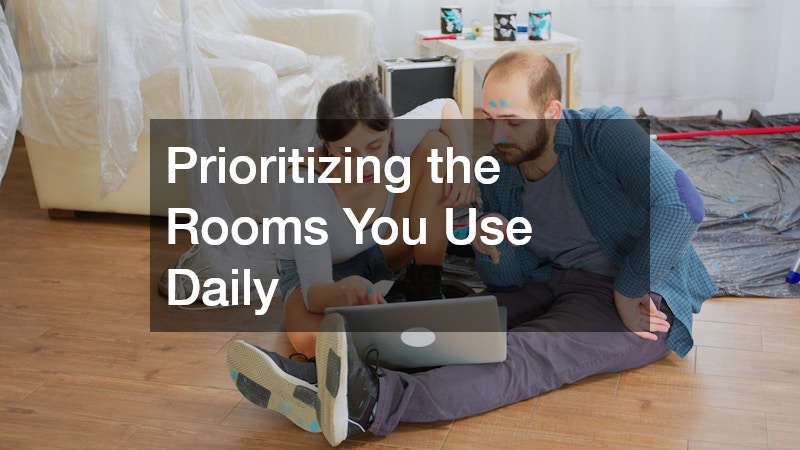
The most effective updates usually begin in the spaces that shape your routine. A guest room can wait, but a main bathroom with poor lighting, limited storage, weak ventilation, or dated fixtures can make the whole house feel older.
A thoughtful home renovation plan helps you avoid jumping from one random project to another. Start by ranking rooms based on daily frustration. A cramped kitchen, damp bathroom, or cluttered laundry space may deserve attention before more decorative updates.
A bathroom renovation can make a big difference without requiring a major layout change. Replacing an oversized vanity, adding better lighting, improving the exhaust fan, and choosing easy-to-clean materials can make the room feel brighter and more functional. Small details also matter. Yellowed caulk, dated faucets, weak lighting, and worn cabinet hardware can make even a clean room feel tired.
The best place to start is with the problem that interrupts your routine most often. If you always need more counter space, prioritize storage. If the room feels damp, improve ventilation. If mornings feel crowded, look at the layout before picking finishes. A room feels newer when it supports your habits instead of making simple tasks harder.
Refreshing the Spaces Outside Your Door
Outdoor areas age quickly because they deal with sun, moisture, foot traffic, and seasonal wear. A faded deck, cracked pool surround, or awkward seating area can make the whole property feel neglected, even if the interior looks good.
A deck renovation should begin with safety. Check for soft boards, loose railings, wobbly stairs, exposed fasteners, and spots where water collects. After that, think about comfort. Built-in seating, better lighting, shade, wider stairs, and low-maintenance materials can make the space feel more like an extension of the home.
Pool renovations can also make a backyard feel much newer. Worn plaster, outdated coping, inefficient equipment, poor lighting, or cracked surrounding surfaces can make the area look older than it is. Updating the finish, improving lighting, modernizing equipment, or refreshing the edge materials can create a cleaner, more inviting space.
It also helps to connect the deck, pool, lawn, and house visually. Repeating materials, coordinating colors, improving walkways, and adding consistent lighting can make the yard feel planned instead of pieced together over time. Even small updates, such as adding planters near a seating area or replacing mismatched outdoor furniture, can help the space feel more intentional.
Improving Comfort With Better Airflow
A home can look updated but still feel old if the temperature is uneven or the air feels humid. Comfort systems are not always exciting, but they affect how people experience the home every day.
Warning signs include rooms that are always too hot or cold, rising utility bills, loud equipment, weak airflow, and humidity that never seems to go away. Modern ac installations can improve efficiency, comfort, and air quality when properly planned.
These updates should be considered before major cosmetic work. If ductwork, ceilings, walls, or electrical systems need to be adjusted, it is better to handle that before repainting or installing new finishes. Experienced home remodelers can help sequence this work so homeowners do not have to redo finished areas later.
A practical comfort review should look at problem rooms, airflow, humidity, thermostat placement, equipment age, and noise. When a house feels consistently comfortable, it often feels newer even before major design changes are made. Comfort is one of those upgrades people notice quietly. Guests may not comment on it directly, but they will feel the difference when rooms are fresh, balanced, and easy to relax in.
Repairing the Exterior Before Styling It
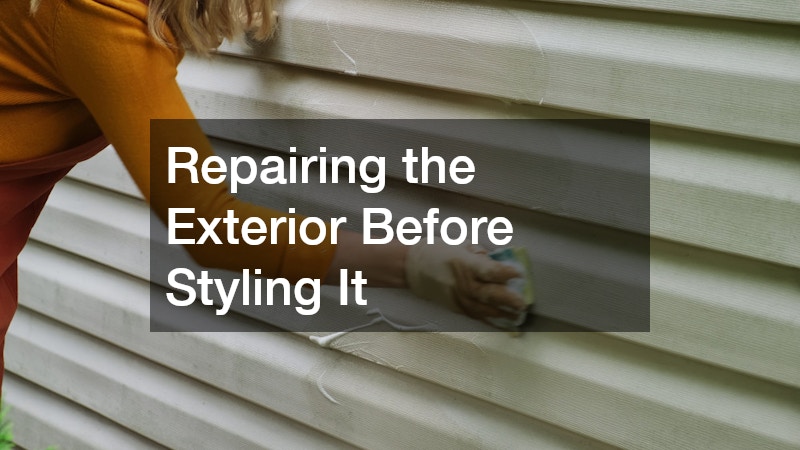
Curb appeal starts with condition. New paint, plants, and lighting will not have the same impact if the roof looks worn, the driveway is cracked, or the walkways are uneven.
Roof repair should come before most exterior cosmetic upgrades. Missing shingles, damaged flashing, leaks, stains, or sagging areas can lead to bigger problems inside the home. If water damage appears after cosmetic work is complete, those fresh updates may need to be repaired or replaced.
Ground-level surfaces matter too. A paving service can improve appearance, safety, drainage, and daily convenience. Cracked driveways and uneven walkways can make a property feel neglected and create hazards for guests or family members.
Walk the property as if you were visiting for the first time. Notice whether the driveway feels smooth, the entry path feels clear, and the roofline looks sound. These practical repairs often create the foundation for a cleaner, more polished exterior. Once the essential surfaces are in good shape, smaller style choices like porch lighting, house numbers, and planters will look much more effective.
Connecting the Yard to the Rest of the Property
A home feels newer when the yard looks intentional rather than unfinished. Patchy grass, muddy areas, poor grading, and awkward transitions can make the exterior feel disconnected from the rest of the home.
Sod installation can quickly improve a yard with bare spots or thin grass, especially when the soil is prepared correctly. It creates a cleaner transition between patios, walkways, play areas, and garden beds.
Before making changes, think about drainage and maintenance. Poor grading or badly placed downspouts can damage new landscaping quickly. Irrigation, edging, and access for mowing or yard care should be planned early.
If the yard includes a pool, a pool contractor can help make the space safer and more cohesive. Placement, fencing, walkways, hardscaping, drainage, and shade all affect how useful the area feels. A pool should not look like an isolated feature; it should fit naturally into the way the backyard is used.
Think about the path people naturally take through the yard. If guests have to cross wet grass to reach a seating area, or if outdoor furniture feels stranded in the middle of open space, the yard may need better definition. Clear routes, planted borders, and practical gathering areas can make the entire property feel more finished.
Updating Lighting, Paint, and Fixtures
Some of the most noticeable improvements are also the simplest. Lighting, paint, and fixtures can change the mood of a room quickly, especially if the main problem is that the space feels dim or dated.
Start with lighting. A single overhead fixture can make a room feel flat. Layered lighting creates more depth by combining general, task, and accent lighting. In a kitchen, that might mean ceiling lights, under-cabinet lighting, and pendants. In a living room, it might mean recessed lights, table lamps, and a reading lamp.
Paint works best when paired with small repairs. Fill nail holes, refresh caulk, clean up trim, and replace stained switch plates before painting. Hardware and fixtures also matter. Door handles, cabinet pulls, faucets, ceiling fans, and light switches may seem minor, but together they shape the feel of the home.
Choose finishes that feel consistent from room to room. They do not need to match perfectly, but they should look intentional. A home can still have personality without feeling mismatched. The trick is to repeat a few finishes, colors, or design details often enough that the rooms feel connected.
Reducing Clutter Through Smarter Storage

A newer-feeling home is often a calmer home. When counters are crowded, closets are hard to use, and entryways collect shoes and bags, the space can feel smaller and older.
Look first at where clutter naturally gathers. If mail always lands on the kitchen island, create a better drop zone. If bathroom counters are crowded, add drawer storage or medicine cabinet space. If shoes pile up near the door, consider a bench, cubbies, or hooks that fit the household’s routine.
The best storage solutions solve real habits. Built-ins, closet systems, floating shelves, pantry pullouts, and drawer organizers can all help, but only when they match the way people actually live. The goal is not to hide everything. It is to make the home easier to reset at the end of the day.
A good storage upgrade should feel almost invisible once it is working. Bags have a place to land, cleaning supplies are close to where they are used, and everyday items are easy to grab without creating visual mess. That sense of order can make even an older home feel more peaceful and updated.
Choosing Materials That Hold up Longer
A home stays newer-looking when materials match daily life. Pets, kids, moisture, sunlight, shoes, cooking, and cleaning routines all affect how long upgrades last.
Durable flooring, washable paint, moisture-resistant surfaces, sturdy hardware, and easy-care countertops can help improvements stay fresh. In busy households, scratch resistance and cleanability may matter more than a trendy finish.
Use trendier choices in smaller details that are easier to replace, such as paint, cabinet hardware, pillows, or light fixtures. Larger investments should usually be more timeless. The right materials reduce maintenance and help the home feel cared for longer.
This does not mean every choice has to be plain or overly safe. It means the most expensive and permanent updates should fit your lifestyle. A beautiful material that causes stress every time someone spills a drink or tracks in dirt may not be the best choice for the way your household lives.
Sequencing Projects to Prevent Rework
Doing projects in the wrong order can waste time and money. Cosmetic upgrades are satisfying, but hidden problems should come first.
Start with safety, moisture, structure, and major systems. Address leaks, roofing concerns, electrical problems, plumbing issues, drainage trouble, and heating or cooling limitations before installing new finishes. After that, move into layout changes, flooring, cabinetry, paint, fixtures, and landscaping.
This order helps prevent damage to finished work. For example, new flooring can be ruined by unresolved moisture. Fresh paint can be stained by a ceiling leak. New landscaping can wash out if drainage is poor.
Good sequencing also makes budgeting easier because urgent issues are handled before optional upgrades. It can be tempting to start with the project that looks most exciting, but a home feels newer for longer when the less visible work is handled first.
Budgeting for the Changes That Matter

A newer-feeling home does not require unlimited spending. The goal is to choose upgrades that solve noticeable problems, improve comfort, or prevent future damage.
Start by sorting projects into three groups: must fix, would improve daily life, and nice to have. Must-fix items include leaks, safety concerns, failing systems, and damaged materials. Daily-life improvements include storage, lighting, layout, and comfort. Nice-to-have items are mostly decorative.
Remember to budget for labor, permits, inspections, cleanup, disposal, and unexpected repairs. Older homes often reveal surprises once work begins, so a contingency fund is important.
The best upgrades are not always the most expensive. They are the ones that make the home easier to live in and maintain. Sometimes that means choosing a practical repair over a more visible style update. Other times, a small change like better lighting or improved storage may deliver the biggest daily improvement for the cost.
Making Progress One Smart Upgrade at a Time
A home feels newer when its parts work together. Clean finishes help, but so do safe surfaces, reliable systems, useful storage, comfortable rooms, and outdoor areas that feel connected to daily life.
Walk through your home slowly and notice what feels worn, inconvenient, uncomfortable, or unfinished. Those observations will point you toward the projects that matter most.
You do not have to update everything at once. A phased plan can help you repair what protects the property, improve what affects daily comfort, and then add the details that make the space feel polished. With the right priorities, each upgrade can make the home fresher, easier to maintain, and more enjoyable to live in.